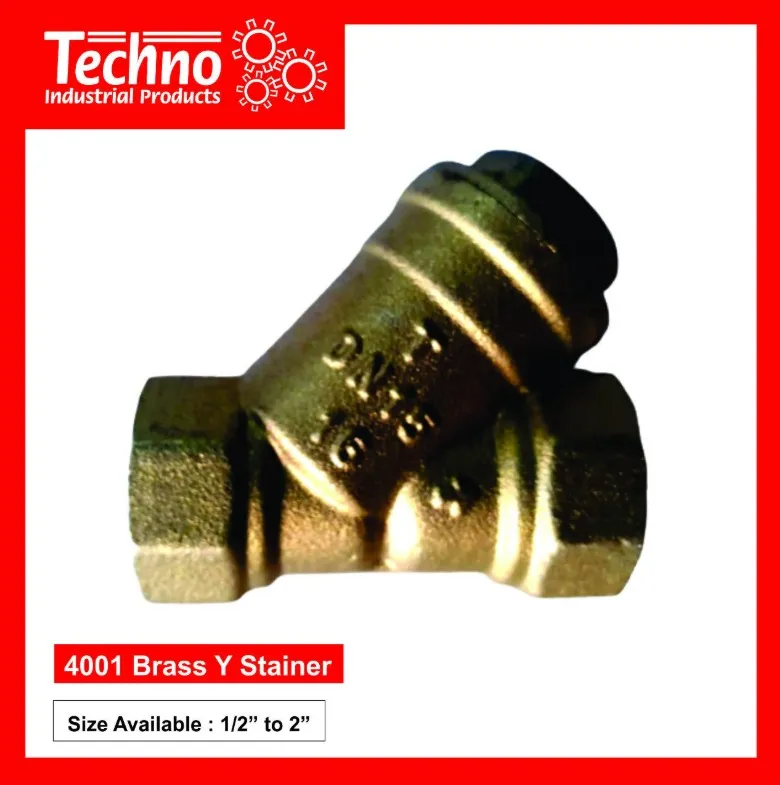
Contaminants inside a pipeline can create problems far beyond the point where they first enter the system. Rust particles, scale, debris, and other solids may interfere with valves, pumps, instruments, nozzles, and downstream equipment. A Y strainer provides a comparatively simple method of capturing unwanted particles before they reach sensitive components. This is why buyers searching for a Brass Y Strainer Dealer in Delhi should pay close attention to mesh selection, pressure rating, size, and maintenance accessibility.
The Y-shaped body contains a screening element positioned within the flow path. As the fluid passes through, particles larger than the screen openings are retained. The collected material can then be removed during periodic cleaning.
A strainer is not simply installed and forgotten. Its performance depends on correct selection and maintenance.
The mesh or perforation size is especially important. A screen that is too coarse may allow damaging particles through. One that is unnecessarily fine can become blocked more quickly and increase pressure drop. The appropriate filtration level should therefore reflect the equipment being protected and the type of contamination expected.
Before ordering, buyers should establish:
- Pipeline size
- Process medium
- Working pressure
- Operating temperature
- Required filtration level
- Connection standard
- Expected contamination load
- Available maintenance access
Installation also deserves attention. The strainer should be positioned according to the manufacturer's recommended orientation, with sufficient space available to access and remove the screen for cleaning.
Maintenance frequency depends on operating conditions. A newly commissioned pipeline, for example, may contain more construction debris than an established clean system. Monitoring pressure differential or inspecting the strainer at planned intervals can help determine a practical cleaning schedule.
Delhi's industrial users employ strainers across water systems, machinery, utility lines, process equipment, pumps, and other fluid-handling installations. For maintenance teams, keeping suitable strainers clean and functional can help protect more expensive downstream components.
Multitech Pneumatics And Hydraulics supplies flow-control components to businesses in Delhi and can evaluate requirements based on system specifications.
When purchasing a brass Y strainer, focus on the entire operating environment rather than nominal pipe size alone. Correct mesh selection, suitable material, adequate pressure rating, and convenient maintenance access are all essential.
A relatively small component can have an important protective role in a larger pipeline. Selecting and maintaining the Y strainer properly can reduce contamination-related interruptions and support more reliable performance from downstream valves, instruments, and equipment.
Keywords