


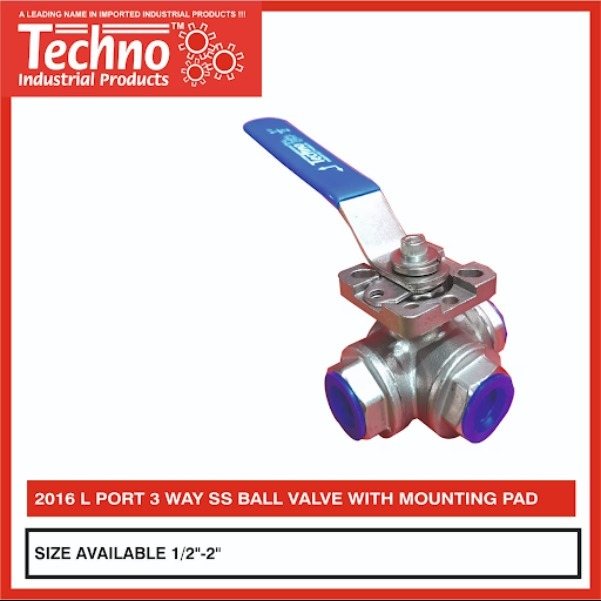
Stainless steel ball valves may look relatively simple, but several design variables determine whether a valve will work reliably in a particular pipeline. For buyers comparing options from an SS Ball Valve Dealer in Delhi, understanding these variables makes procurement easier and reduces the chance of choosing a valve that is unsuitable for the application.
A ball valve controls flow through a rotating ball containing a bore. When the bore aligns with the pipeline, the medium flows through. Turning the ball by approximately 90 degrees moves it to the closed position. This quarter-turn mechanism makes ball valves particularly useful for applications requiring straightforward isolation.
The first consideration is valve material. Stainless steel is commonly chosen for its corrosion resistance, strength, hygiene, and durability. Different stainless steel grades can suit different operating environments, so buyers should confirm the exact grade rather than relying only on the description “SS valve.”
Connection design also matters. Depending on the piping arrangement, an installation may require threaded, flanged, welded, or another connection type. Choosing the wrong end connection can increase installation work and create unnecessary compatibility issues.
Another important factor is pressure and temperature. A valve should have ratings suitable for both normal conditions and the maximum conditions reasonably expected in the system. Seat and seal materials must also be compatible with the fluid and operating temperature.
Industrial buyers can simplify selection by providing suppliers with:
- Pipeline size
- Fluid or gas type
- Normal and maximum pressure
- Operating temperature
- Preferred connection
- Required body material
- Manual or automated operation
- Approximate operating frequency
Delhi's industrial market serves businesses across manufacturing, fabrication, packaging, food processing, water systems, machine building, pharmaceuticals, utilities, and other sectors. Because operating conditions differ considerably, selecting an SS ball valve purely on price or diameter can create costly maintenance problems later.
For example, a valve used occasionally as an isolation point has different operating demands from one that cycles frequently in an automated production process. Similarly, water, compressed air, oil, steam, and chemicals can impose different requirements on valve bodies, seats, seals, and pressure ratings.
Multitech Pneumatics And Hydraulics works with industrial customers in Delhi seeking pneumatic, hydraulic, and flow-control components suited to their application requirements.
The most useful purchasing approach is therefore specification-based rather than catalogue-based. Establish what the pipeline actually demands, verify the valve's technical characteristics, and then select the configuration. This process can improve reliability, simplify installation, and reduce avoidable maintenance throughout the valve's service life.


